
Spotting Early Signs of Insulin Resistance
- Terry OBrien
- Dec 8, 2025
- 3 min read
Insulin resistance is a condition that quietly creeps in, often without obvious symptoms at first. It can affect your energy, weight, and overall health in ways you might not immediately connect. But catching it early can make a huge difference. Today, I want to walk you through what insulin resistance is, how to spot its early signs, and what you can do to take control before it leads to more serious health issues.
Understanding Early Signs of Resistance
Insulin resistance happens when your body's cells stop responding well to insulin, a hormone that helps regulate blood sugar. When this happens, your pancreas works overtime to produce more insulin. Over time, this can lead to higher blood sugar levels and eventually type 2 diabetes if left unchecked.
You might wonder, "How do I know if this is happening to me?" The truth is, early signs of resistance can be subtle. They often show up as changes in your body or energy levels that you might dismiss as normal aging or stress.
Some common early signs include:
Feeling tired even after a full night's sleep
Cravings for sugary or carb-heavy foods
Difficulty losing weight despite diet and exercise
Increased hunger, especially after meals
Dark patches of skin, often around the neck or underarms (a condition called acanthosis nigricans)
Recognizing these signs early is key. They are your body's way of telling you that something isn't quite right with how it handles sugar and insulin.
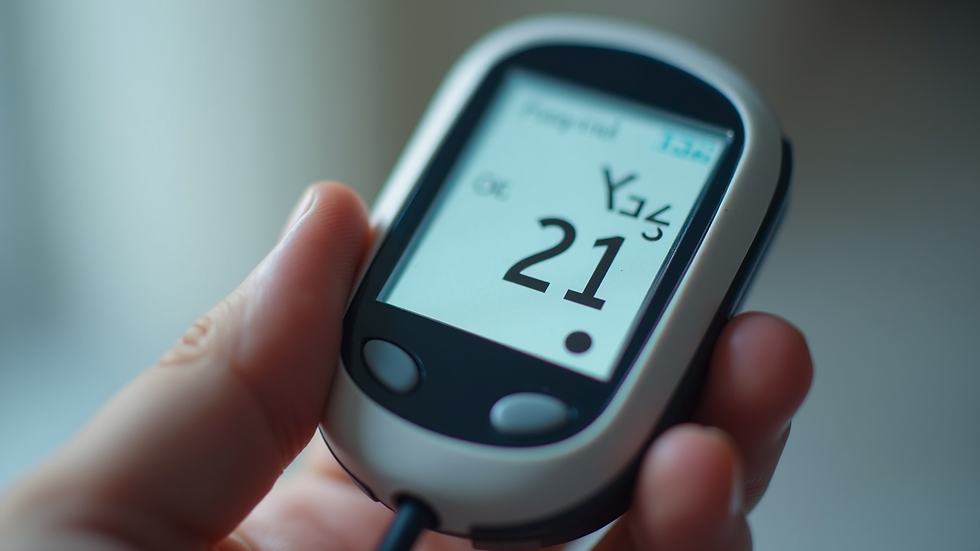
How do I know if I'm insulin resistant?
If you suspect you might be insulin resistant, there are a few ways to find out for sure. The most reliable method is through medical testing. Your doctor can order blood tests like fasting insulin, fasting glucose, or an oral glucose tolerance test. These tests measure how your body processes sugar and how much insulin it produces.
But you don’t have to wait for a test to start paying attention to your body. Here are some practical steps you can take:
Track your symptoms: Keep a journal of any unusual fatigue, hunger patterns, or skin changes.
Monitor your weight and waist size: Excess fat around the belly is a strong indicator of insulin resistance.
Evaluate your lifestyle: Are you eating a lot of processed carbs or sugary drinks? Is your activity level low?
Consider your family history: Diabetes and metabolic issues often run in families.
If you notice several of these signs, it’s a good idea to talk to a healthcare professional. Early intervention can prevent progression and improve your quality of life.

What causes insulin resistance?
Understanding what causes insulin resistance can help you make changes that really matter. Several factors contribute to this condition:
Poor diet: High intake of refined carbs, sugary foods, and processed snacks can overload your system.
Physical inactivity: Regular movement helps your cells respond better to insulin.
Excess body fat: Especially around the abdomen, fat cells release substances that interfere with insulin action.
Chronic stress: Stress hormones can increase blood sugar and insulin levels.
Sleep problems: Poor sleep quality or quantity disrupts hormone balance.
Alcohol use: Excessive drinking can worsen insulin resistance and metabolic health.
The good news? Many of these factors are within your control. Small, consistent changes can make a big difference.
How can I improve insulin sensitivity?
Improving insulin sensitivity is about adopting habits that support your body's natural balance. Here are some effective strategies:
Eat whole, unprocessed foods: Focus on vegetables, lean proteins, healthy fats, and whole grains.
Limit sugar and refined carbs: Swap sugary snacks for nuts, seeds, or fresh fruit.
Exercise regularly: Aim for at least 30 minutes of moderate activity most days. Walking, cycling, or swimming are great options.
Manage stress: Try mindfulness, meditation, or deep breathing exercises.
Get quality sleep: Aim for 7-9 hours per night and maintain a consistent sleep schedule.
Reduce alcohol intake: Cutting back can improve your metabolic health significantly.
Remember, these changes don’t have to be overwhelming. Start with one or two habits and build from there. Your body will thank you.
When to seek professional help
If you’re noticing multiple symptoms of insulin resistance, it’s important to reach out for support. A healthcare provider can help you get the right tests and create a personalized plan.
Dr. Paul Kolodzik offers a comprehensive, science-backed approach that combines cutting-edge tools with personalized coaching. This kind of support can empower you to reclaim your vitality and take control of your health journey.
Don’t wait until things get worse. Early action is your best defense.
Taking the time to understand and spot the early signs of insulin resistance can set you on a path to better health. With awareness, simple lifestyle changes, and the right support, you can protect yourself from serious complications and enjoy more energy and well-being every day.


Comments